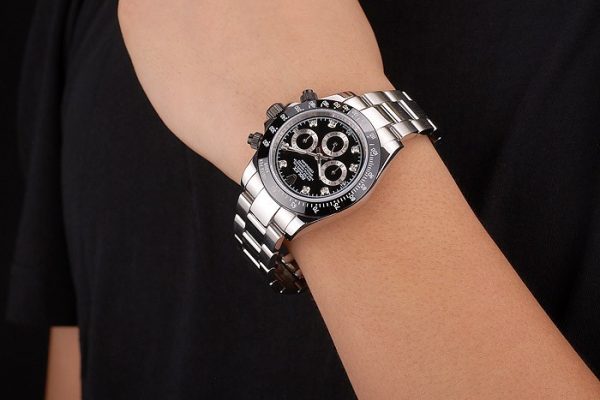
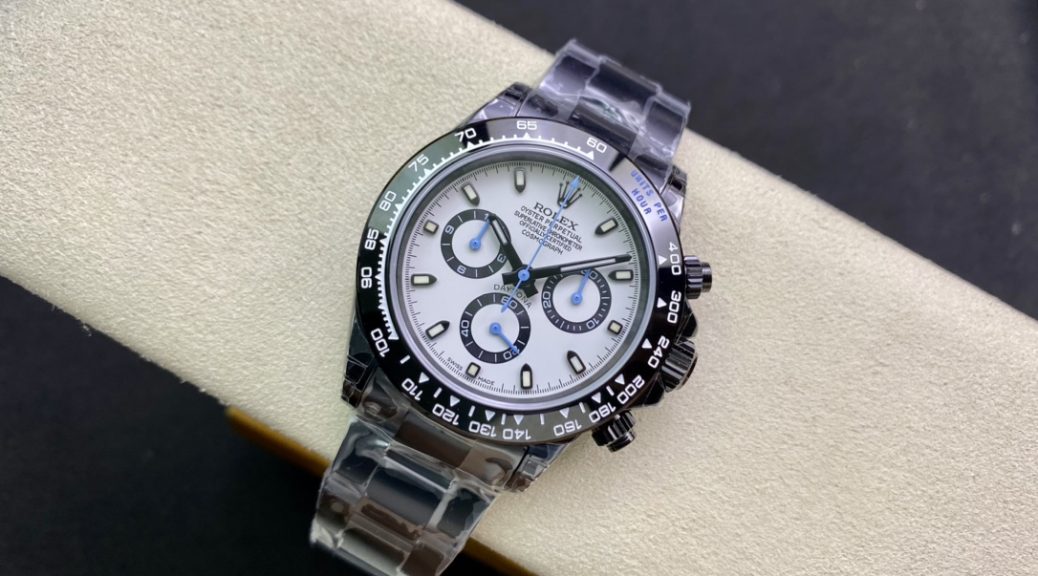
The Rolex Daytona has long been an icon of luxury and precision in the watchmaking world, celebrated for its exceptional performance and perfect design. Among its most popular variations are the stainless steel models, known for their durability and reliability in various conditions. Two highly sought-after references are the 116500LN and the newly introduced 126500LN, both crafted from Rolex’s exclusive 904L stainless steel and featuring a stylish ceramic bezel. Despite their similarities, these models offer distinct experiences for their wearers. 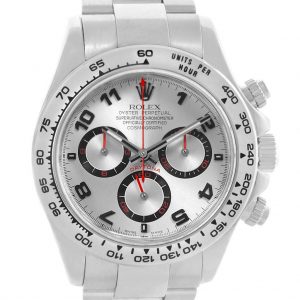
This in-depth comparison delves into the unique features and improvements of each model, providing a thorough understanding of what distinguishes these two iconic watches. Whether you’re a seasoned collector or a newcomer to the world of luxury watches, this guide will help you appreciate the innovations and subtle differences between these remarkable watches.
Rolex Daytona 116500LN Overview
Launched in 2016, the Rolex Daytona 116500LN marked a significant advancement in the Daytona series, captivating collectors and enthusiasts. It succeeded the 116520 model and introduced several notable enhancements. The 116500LN boasts a robust 40mm case crafted from Rolex’s 904L stainless steel, renowned for its exceptional resistance to corrosion and scratches. A standout feature of this model is its black Cerachrom bezel, made from highly durable ceramic, which is virtually scratch-proof and retains its color indefinitely, even under extreme conditions.
The 116500LN is powered by the in-house caliber 4130 movement, celebrated for its reliability and precision. This automatic movement offers a 72-hour power reserve and features Rolex’s Parachrom hairspring, which improves resistance to shocks and temperature variations. The dial, available in black or white, maintains the traditional Daytona layout with three sub-dials: a 30-minute counter at 3 o’clock, a 12-hour counter at 9 o’clock, and running seconds at 6 o’clock, ensuring optimal legibility and functionality. The sub-dials feature contrasting rings that add a touch of vintage charm, reminiscent of earlier Daytona models.
Additional features include a scratch-resistant sapphire crystal and an Oyster bracelet with a secure Oysterlock clasp, equipped with the Easylink extension system for added comfort. These characteristics, combined with its aesthetic appeal and practical design, have made the Rolex Daytona 116500LN a highly sought-after watch in the luxury market, blending traditional Rolex design elements with modern enhancements.
Rolex Daytona 126500LN Overview
Introduced in 2024, the Rolex Daytona 126500LN represents a significant evolution in the esteemed Daytona series. While maintaining the beloved 40mm case size and stainless steel construction, the 126500LN incorporates several key upgrades that enhance its functionality and aesthetics. The most notable change is the introduction of the new caliber 4131 movement, replacing the older 4130. This movement features Rolex’s patented Chronergy escapement, which provides improved efficiency and reliability. The 4131 movement includes more ball bearings in the rotor, contributing to smoother and quieter automatic winding. The power reserve remains impressive at approximately 72 hours. Additionally, the 4131 showcases refined finishing with Rolex’s unique Côtes de Genève decoration and polished grooves, highlighting the brand’s dedication to precision and luxury. 
Visually, the 126500LN offers subtle yet impactful updates that distinguish it from its predecessor. The dial and bezel retain the classic Daytona look, but with refined details that enhance the watch’s elegance. The sub-dials have been redesigned with thinner borders and are positioned slightly inward, creating a larger main dial surface area. This is complemented by slimmer, more angular hour markers and hands, filled with Chromalight for excellent legibility in low-light conditions. The bezel, still crafted from durable black Cerachrom, now features a metal outer ring that pays homage to vintage Daytona models. The case has been slightly reshaped with gentler contours and reduced thickness, giving the watch a more streamlined and contemporary appearance. These nuanced updates ensure that the 126500LN continues to uphold the Daytona’s legacy while introducing modern enhancements that appeal to both collectors and new enthusiasts.
Key Differences Between the Rolex Daytona 116500LN and 126500LN
Movement
116500LN: Driven by the caliber 4130 movement, a mainstay in Rolex’s chronograph replica watches since 2000. It features a vertical clutch and a column wheel, offering smooth and precise chronograph functions. The Parachrom hairspring provides excellent resistance to shocks, temperature variations, and magnetic fields. The movement’s design incorporates fewer components, enhancing reliability and reducing maintenance needs, while offering a 72-hour power reserve, making it a robust choice for both daily wear and professional use.
126500LN: Upgraded to the caliber 4131 movement, incorporating Rolex’s patented Chronergy escapement for enhanced efficiency and reliability. It includes more ball bearings in the rotor for smoother and quieter winding. The movement also features intricate finishing, such as Rolex’s Côtes de Genève decoration and a new rotor design. These upgrades ensure improved performance while maintaining a 72-hour power reserve. The 4131’s optimized architecture reduces energy loss, further improving precision and longevity.
Design and Aesthetics
116500LN: The bezel is slightly thicker, contributing to a robust and classic design. The black Cerachrom bezel is highly resistant to scratches and fading, ensuring durability. The dial, available in black or white, maintains the iconic Daytona aesthetic with contrasting sub-dials. Bold markings on the sub-dials preserve the traditional layout, offering a clear and readable interface. This model exudes a perfect and tough appeal, embodying the spirit of the Daytona series.
126500LN: Features a thinner bezel with a new metal outer ring, paying homage to vintage Daytona models. The sub-dials have thinner borders and are moved slightly inward, creating a larger main dial area. The hour markers are slimmer and more angular, enhancing the watch’s modern appearance. Chromalight is used on the hands and markers for excellent legibility in low-light conditions. The bezel is a solid element with the metallic ring part of the case, providing a cohesive look. These updates give the 126500LN a refined and contemporary appearance while retaining the classic Daytona charm.
Case and Bracelet
116500LN: Features a 40mm case made of 904L stainless steel, known for its excellent corrosion resistance. Includes the iconic Oyster case, ensuring durability and water resistance up to 100 meters, thanks to its Triplock screw-down crown and pushers. The solid-link Oyster bracelet, with satin-finished outer links and polished center links, offers strength and elegance. Equipped with Rolex’s Easylink extension system, allowing the wearer to adjust the bracelet length by approximately 5mm for added comfort without tools.
126500LN: Retains the 40mm diameter but has been subtly reshaped with refined lines, slimmer edges, and a flatter caseback for better ergonomics and comfort. The redesigned case is slightly thinner, contributing to a sleeker profile. The Oyster bracelet has been updated with broader outer links and improved articulation for a more ergonomic fit, seamlessly integrating with the case’s contours. The bracelet continues to feature the Easylink extension system, ensuring comfort and practicality. 
Technology and Innovations
116500LN: Incorporates the Parachrom hairspring, known for its resistance to shocks and temperature variations. The caliber 4130 maintains a robust 72-hour power reserve, emphasizing reliability and precision. The movement’s design reduces components, increasing reliability and serviceability.
126500LN: Introduces the Chronergy escapement in the 4131 movement, marking a significant technological advancement. Made of nickel-phosphorus, it is resistant to magnetic fields and more efficient, enhancing performance. The movement features a redesigned rotor and enhanced finishing details, such as Côtes de Genève stripes. The 126500LN’s movement includes an improved ball bearing setup in the rotor, contributing to smoother and quieter winding, ensuring better performance and visual appeal.
Both the Rolex Daytona 116500LN and 126500LN exemplify Rolex’s dedication to innovation, precision, and perfect design. The 116500LN is favored for its classic appeal and reliable performance, while the 126500LN introduces modern advancements that enhance functionality and aesthetics. Collectors may prefer the 116500LN for its legacy, while those seeking the latest in horological innovation might lean towards the 126500LN. For those interested in exploring these models further, experts are available to assist, offering a wide selection of Rolex Daytona watches from a trusted platform.